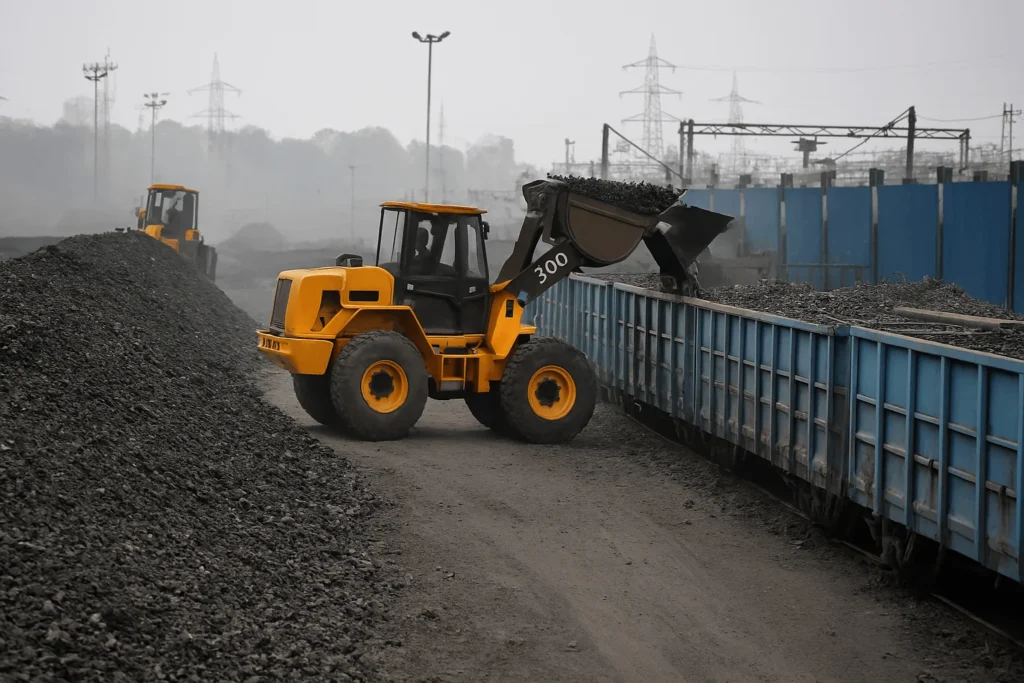
The transformation of closed coal mines into tourist destinations is a growing trend globally, addressing economic, social, and environmental challenges in former mining regions. This repurposing offers a pathway for economic revitalization, cultural preservation, and sustainable development.
Global Examples of Coal Mine Tourism Projects
Several countries have successfully repurposed closed coal mines into tourist attractions, demonstrating diverse approaches to industrial heritage tourism.
Germany: The Ruhr region in Germany is a notable example, having transformed from a major industrial center into a regenerated area focused on post-industrialism and mine tourism, with the Zollverein mine being a prominent site.
United Kingdom: Wales has a successful coal mining heritage tourism site where visitors can tour via a pit cage and explore old workshops. The Big Pit in South Wales, which closed as a coal mine in 1980, was acquired and developed into a tourist attraction.
Poland: In Poland, the Stara Kopalnia coal mine complex in Walbrzych, active from 1770 until 1996, is being reconfigured into a science and art center, featuring a museum of coal, art and design studios, and over 2.5 kilometers of underground tunnels.
Other geo- and mining heritage-based tourist destinations are also being developed in SW Poland. Southern Poland also features a tourist mining path that includes coal, silver, gold, salt, flint, chalk, and uranium mines, as well as oil wells and associated buildings converted into museums or service facilities.
Spain: Spain has also implemented successful case studies in converting closed mines into tourist resources, often through cultural tourism initiatives.
China: China has designated 88 former state-sector mines as national parks between 2005 and 2021, promoting mining heritage tourism to help communities affected by mine closures. Shanxi Province in China utilized a five-factor weight analysis method for assessing closed coal mines, suggesting cultural tourism/education or storage as potential uses.
The Raniganj coalfield in India, the oldest coal mining region in the country, is also being examined for its tourism potential. Huaibei city in China has transformed a coal mine subsidence area into China’s first National City Wetland Park, changing a desolate wasteland into an ecological tourism destination.
Indonesia: Sawahlunto city in West Sumatra, Indonesia, has successfully transformed from a former coal mine into a cultural tourism destination, preserving its mining heritage through initiatives like the Goedang Ransoem Museum, Mining Tunnel Mbah Soero, and Railway Museum.
India: The Ministry of Coal in India has announced plans to repurpose closed mines into eco-parks, tourist sites, and community facilities, aligning with new guidelines for mine closure. Coal Public Sector Undertakings (PSUs) are actively converting closed mines into eco-tourism and livelihood hubs under the 2025 mine closure guidelines. These repurposing efforts include eco-parks, recreational areas, mine tourism sites, solar power projects, and pisciculture in abandoned mine voids.
United States: Kentucky’s coal mining towns are looking to reinvent themselves as tourist destinations by leveraging their natural beauty, history, and culture. The Tour-Ed Coal Mine and Museum near Pittsburgh offers an underground trip into a real coal mine and a museum of mining artifacts.
Canada: Springhill, Nova Scotia, was the site of a large coal mine that operated from the 19th century until 1958 and has since been shut down.
Benefits of Repurposing Coal Mines for Tourism
Repurposing closed coal mines for tourism offers numerous benefits to local communities and regions.
Economic Revitalization and Job Creation: Converting closed mines into tourist attractions can lead to economic revitalization and create new employment opportunities in arts and tourism, supporting local economies in post-industrial areas. Tourism development is considered an important channel for the economic transformation of closed coal mines.
Cultural Preservation and Identity Industrial heritage tourism helps preserve the historical and cultural identity of mining regions, preventing the erasure of the past and transforming former industrial landscapes into areas of interest. This transformation can strengthen local identity and provide a means for communities to engage with their unique history.
Sustainable Development The adaptive reuse of mining sites for tourism can contribute to regional sustainable development by integrating cultural tourism and offering new opportunities for growth in areas affected by industrial decline. It provides a scientific basis and policy guidance for ecological rehabilitation while fostering regional sustainable development.
Environmental Improvement Tourism development often involves environmental improvement, such as the ecological restoration of abandoned mines and the transformation of degraded landscapes into natural areas or public parks. This includes addressing geological risks and ecological recovery.
Challenges and Considerations
While promising, the transformation of closed coal mines into tourist sites also presents challenges.
Assessment and Strategy Selection There is currently no standard assessment method for redeveloping closed coal mines, with different countries using various evaluation approaches. Selecting the best strategy for each closed coal mine is a crucial first step.
Environmental Issues Abandoned mines often come with significant environmental issues, such as soil degradation, water contamination, and gas migration, which require comprehensive treatment and ecological restoration. For instance, gas migration to the surface from closed coal mines can pose risks of explosion, suffocation, or gas poisoning.
Resource Management Effective land use and resource conservation are crucial for the sustainable repurposing of abandoned surface coal mines. Long-term economic diversification and holistic ecological restoration are also significant challenges.
Visitor Expectations Tourists visiting former mining sites expect the attractions to include visual elements and meet their expectations for the experience.
Methodologies for Redevelopment
Various methodologies are being developed to assess and facilitate the transformation of closed coal mines.
Evaluation Models: Hybrid approaches combining methods like the Analytic Hierarchy Process (AHP) and Technique for Order Preference by Similarity to an Ideal Solution (TOPSIS) are used to evaluate repurposing options based on ecological, economic, social, and regulatory factors. These models enhance the scientific and precise nature of the decision-making process.
Ranking Systems: Systems for ranking the suitability of coal mines for cultural tourism transformation are being established by integrating cultural tourism land use indicators.
Spatial Analysis: Methods such as nuclear density analysis are used to identify key cities and regions suitable for developing coal mine industrial heritage tourism.
Adaptive Reuse: The adaptive reuse of mine infrastructure for tourism and recreation, including heritage trains and museums, is a popular strategy. This can also involve transforming old mining structures into boutique hotels, art galleries, and restaurants.
Integrated Planning: Comprehensive regional cultural tourism resource coordination planning frameworks are being developed, often integrating historical cultural resources and optimizing road networks.
What are the most successful economic revitalization strategies used in former mining regions
Economic revitalization in former mining regions is critical for creating resilient and sustainable development, moving beyond their historical reliance on a single industry.
These regions often face economic instability due to commodity price fluctuations, environmental degradation, and resource depletion, making diversification an urgent need. Successful strategies include developing new economic sectors, investing in infrastructure, and focusing on skills development and education.
Developing New Economic Sectors
Former mining regions can achieve economic revitalization by diversifying into new sectors.
Agriculture and Forestry
Investing in modern farming techniques, agro-processing facilities, and supply chain infrastructure can establish agribusiness as a reliable alternative or complement to mining. This includes developing high-value crops, organic farming, or livestock, which improves food security, increases income stability, and generates rural employment.
Rehabilitating mined lands through afforestation and establishing sustainable forestry also offers significant opportunities for economic diversification. Forestry-based industries, such as timber products, non-timber forest resources like honey and medicinal plants, and eco-tourism, can create new jobs and restore ecosystems. These efforts align with climate action goals by sequestering carbon and can boost local GDP by up to 15% in post-mining economies.
Renewable Energy
Many mining regions possess existing infrastructure like roads and power supply, which can be upgraded to support new economic activities, including renewable energy deployment. Investing in solar, wind, or small hydropower solutions helps meet local energy needs, attracts green industries, reduces reliance on fossil fuels, and offers employment.
The EPA’s Abandoned Mine Lands Team (AMLT) provides technical support and resources for communities to explore innovative reuse opportunities for former mine lands, including developing clean and renewable energy projects on contaminated sites. Examples include a 1-megawatt concentrated photovoltaic solar facility on mine tailings in Questa, New Mexico, and a 32-kilowatt micro-hydroelectric power plant in Summitville Mine, Colorado, which powers cleanup activities.
Tourism and Cultural Heritage
Transforming former mining sites into tourist attractions, eco-parks, and community facilities is another effective strategy. This approach leverages the historical and cultural identity of mining regions, preventing the erasure of the past and transforming industrial landscapes into areas of interest.
Successful initiatives include converting old mining structures into boutique hotels, art galleries, and museums, or creating geotourism areas with unique geological features. The revitalization of mining ghost towns through heritage tourism initiatives contributes to the economic tapestry of former mining sites. Poland, for example, transformed the mining city of Katowice into a revitalized area.
Investing in Infrastructure and Technology
Modernizing infrastructure and leveraging technology are crucial for sustainable economic diversification.
Infrastructure Expansion
Upgrading and expanding transport, digital, and energy infrastructure enables greater connectivity and market access for new sectors like agriculture, small and medium enterprises (SMEs), and tourism. Public-private partnerships can help lower risks and costs for local entrepreneurs by collaborating on shared infrastructure.
Leveraging Technology and Innovation
Digital tools and innovation offer transformative potential for sectors beyond mining. Precision farming, remote sensing for resource management, and blockchain for supply chain traceability can increase productivity and support sustainability.
Satellite-based agricultural monitoring can provide real-time data on soil health and crop conditions, optimizing yields. AI and remote sensing applications help assess land restoration, forest health, and infrastructure resilience. Blockchain traceability enhances transparency for agricultural and non-mining supply chains, opening premium market opportunities.
Skills Development and Education
Equipping the local workforce with diversified skills is vital for sustainable economic diversification.
Vocational Training and STEM Education
Focused education in fields such as agricultural innovation, eco-friendly mining rehabilitation, and green technology prepares workers for emerging industries. Additionally, enabling local entrepreneurs with business and management skills, including finance and digital marketing, is essential.
Emphasizing Science, Technology, Engineering, and Math (STEM) education helps develop a future-ready workforce. Digital platforms can offer access to modern techniques, advisory systems, and real-time data for education, supporting workforce transformation.
Policy and Governance Considerations
Effective planning requires clear, coherent policies and robust governance to accelerate economic diversification.
Strategic Investment and Regulation
Governments should strategically invest mining revenues into long-term development, avoiding short-term spending. This includes transparent mechanisms to track and channel mineral revenues into diversification initiatives.
Strong environmental standards, particularly in land rehabilitation, water resource management, and pollution control, are necessary. Incentives such as tax breaks and subsidies for investments in renewable energy, agribusiness, forest management, and technology can attract green industries.
In West Virginia, policymakers are considering financial incentives, streamlined regulatory processes, and collaborative partnerships to promote economic diversification in coal-impacted regions. Programs like the Abandoned Mine Lands Economic Revitalization (AMLER) Program provide funding for land restoration and economic revitalization.
Community Engagement and Partnerships
Participation and input from local communities in decision-making processes heighten project buy-in and ensure equitable outcomes. Collaborative partnerships between former mine land owners and non-profit organizations, private developers, and government entities can facilitate land development for societal benefits.
While larger companies may secure contracts through lobbying, local procurement—purchasing goods and services from suppliers within the region—can increase economic benefits for local communities and reduce supply chain costs for mining companies.
Such strategies can lead to more resilient local businesses that are less dependent on a single industry, creating options for continued economic activity after mine closure.
this post references from Ministry of Coal
FAQ’s
-
What is the purpose of redeveloping closed coal mines in India?
To repurpose land for community benefit, tourism, environmental restoration, and economic development.
-
Which PSUs are involved in mine repurposing?
Major PSUs like SECL, WCL, CCL, MCL, ECL, and BCCL have developed eco-parks, tourism sites, and renewable energy projects.
-
What do the 2025 Mine Closure Guidelines mandate?
They require scientific closure, land reclamation, livelihood support, and community engagement in post-mining activities.
-
How is community development funded after mine closure?
At least 25% of the escrow fund and 10% of the final closure cost are used for livelihood programmes and just transition.
-
Are there examples of mine tourism projects in India?
Yes, examples include Saoner Eco Park (WCL), Ananya Vatika (SECL), and Parasnath Udyan (BCCL).