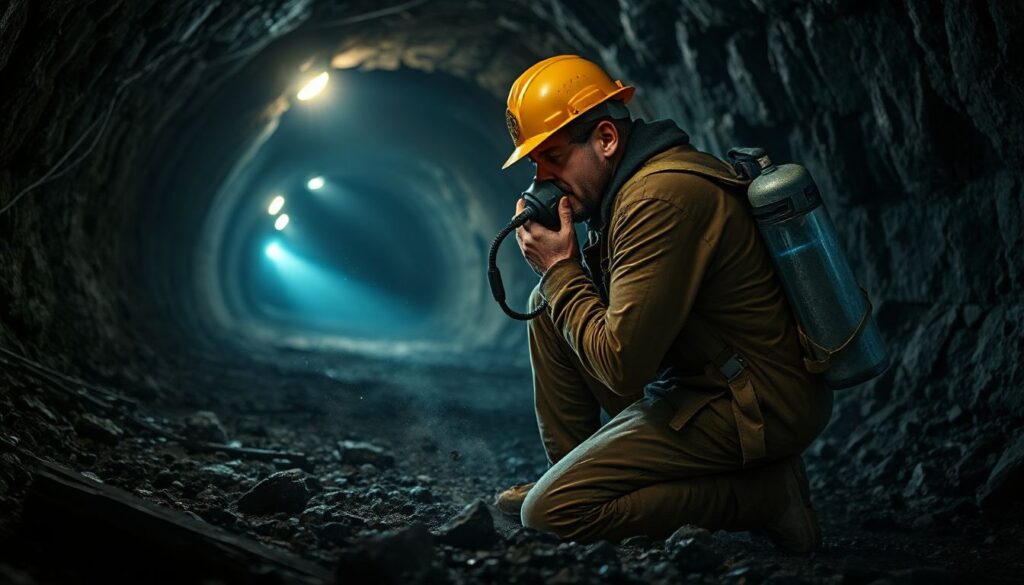
Imagine a sudden roof fall in a deep coal mine. Dust fills the air. Oxygen levels drop fast. Miners trapped underground face real danger from lack of breathable air. In these dark, tight spaces, portable oxygen systems become key tools for survival. They give workers time to escape or wait for help. This article looks at why these devices matter. We cover types of portable oxygen for coal mine emergencies, safety rules, and real stories from the field. You’ll learn how to prepare better for such risks.
The Critical Need for Portable Oxygen in Coal Mine Emergencies
Understanding Mine Hazards and Oxygen Depletion Risks
Coal mines hold many dangers. Explosions can happen from gas buildup. Roof falls trap workers under debris. Gas floods, like methane, push out fresh air. In these cases, oxygen vanishes quick in sealed areas. The Mine Safety and Health Administration sets rules to fight this. They stress good air flow and backup plans. Without it, miners suffer hypoxia. That’s when low oxygen hits the body. You feel dizzy first. Then confusion sets in. Blackouts follow if it lasts. Simple steps, like quick oxygen access, can save lives down there.
Why Portable Oxygen Systems Are Vital for Survival
These systems fill the wait for rescue teams. They let miners breathe clean air right away. Self-contained breathing apparatus, or SCBA, tops the list. Oxygen generators offer another choice. Both beat suffocation in bad spots. Always check if a device meets MSHA or NIOSH rules. That ensures it works when needed. Certification means it holds up in tough mine conditions. Miners who grab these fast often make it out safe.
Historical Context of Oxygen Shortages in Mining Disasters
Past events show the cost of poor oxygen plans. Take the 2010 Upper Big Branch Mine blast in West Virginia. An explosion cut off air to 29 men. Many died from bad air, not the blast. Oxygen shortages sped up the tragedy. After that, rules got stricter. Mines now must stock more portable units. Lessons from such disasters push for better gear. They remind us to learn from mistakes. No one wants a repeat.
Key Types of Portable Oxygen Devices for Mining Use
Self-Contained Breathing Apparatus (SCBA) Systems
SCBA packs hold compressed air in cylinders. Miners strap them on for quick moves. They last 30 to 60 minutes, enough for short escapes. Weight stays light for easy carry in tunnels. But heavy loads slow you down, so pick the right size. Practice donning it fast. Seconds count in smoke or dust. That skill cuts response time and boosts chances.
Chemical Oxygen Generators and Emergency Escape Breathers
These units make oxygen from chemicals. No need for refills; they run longer than SCBA in some cases. A reaction starts when you pull a cord. Oxygen flows steady for hours. Great for trapped spots where help takes time. Keep them dry in storage. Mine humidity can ruin them. Store in sealed spots near work areas. Check seals often to avoid surprises.
Hybrid and Advanced Portable Oxygen Technologies
New designs mix old tech with smart features. Oxygen concentrators pull air from around you and purify it. Some link to radios for team alerts. This helps groups move together in chaos. Test these in drills each week. It spots issues early. As tech grows, they get lighter and smarter. Miners benefit from better tools each year.
Regulatory Standards and Implementation in Coal Mines
MSHA and NIOSH Guidelines for Portable Oxygen Equipment
Rules under 30 CFR Part 75 demand oxygen gear in every coal mine. Devices must sit close to workers. Training comes with the package. Refuge spots now include built-in oxygen. These safe rooms hold air for days. Audit your setup once a year. Update lists of gear to stay current. Compliance keeps fines away and lives safe.
Training Protocols for Miners on Oxygen Emergency Use
Hands-on sessions teach the basics. You learn to put on masks in seconds. Ration air to stretch supply. Work as a team in dim light. MSHA videos show real drills from U.S. mines. One clip follows a mock collapse. Miners practice calls for help while geared up. These steps build confidence. Everyone knows their role.
Challenges in Deploying Portable Oxygen During Crises
Wet mines damage gear. Water floods ruin seals. Tampering happens too, if units sit open. Lock them in boxes near faces. That stops issues. In heat or cold, batteries fail fast. Pick tough models for your site. Regular checks beat big problems later.
Case Studies and Best Practices from Real Mine Operations
Lessons from the Sago Mine Incident and Oxygen Response
The 2006 Sago Mine blast in West Virginia trapped 13 men. Smoke and bad air killed most. Slow oxygen reach made it worse. Only one survived with a breather. After, laws changed. Now, self-rescue devices go on every shift. Mines stock more units per crew. These shifts cut death risks a lot.
Successful Deployments in Modern Coal Mine Emergencies
In the 2014 Turkey mine disaster, over 300 died. But some lived thanks to portable oxygen. They used breathers to hold out. U.S. mines learned from it. Operators now do pre-shift checks on all gear. That habit spots faults early. Quick fixes save time in real events.
Actionable Strategies for Enhancing Oxygen Preparedness
Map your mine with oxygen stops along paths. Place units every 500 feet. Run fake emergencies four times a year. Time how fast teams respond. Tie this to vent plans for full coverage.
- Step 1: List all high-risk zones.
- Step 2: Install lockers there.
- Step 3: Train new hires right away. These moves build strong habits.
Future Innovations and Sustainability in Mine Oxygen Safety
Emerging Technologies in Portable Oxygen Delivery
Light materials make cylinders last longer without extra weight. AI watches oxygen levels and warns you. Drones could drop units to far spots. That speeds aid in big mines. Tests show promise for faster rescues. Keep an eye on these changes.
Integrating Portable Oxygen with Broader Mine Safety Systems
Link oxygen gear to gas sensors. Alerts fire when air turns bad. Auto systems call for help too. Pick setups that fit your mine size. Modular ones adjust easy for deep or shallow work. This ties everything together smooth.
Promoting Long-Term Safety Culture Around Oxygen Emergencies
Keep teaching miners year after year. Update rules as tech improves. The International Labour Organization pushes global standards. Mines join in for better practices. Share stories from drills to build trust. A strong culture spots risks early.
Conclusion
Portable oxygen stands as a must-have in coal mine emergencies. It fights oxygen loss from blasts, falls, and gas. We reviewed SCBA, generators, and new hybrids. Rules from MSHA and NIOSH guide safe use. Training and checks make them work best. Stories like Sago and Upper Big Branch teach hard lessons. Modern wins in Turkey show the payoff. Future tech like AI and drones will help more.
Mine bosses, upgrade your gear now. Run drills often. Pick certified devices. Learn from past events. These steps build tough responses. Lives hang on quick action. Make safety your top job.