Mining Tourism in India is no longer just about resource extraction — it’s also becoming an exciting avenue for tourism, education, and cultural preservation. In a first-of-its-kind move, Jharkhand Chief Minister Hemant Soren has launched India’s very first mining tourism initiative, opening the doors for people to experience the fascinating world beneath the earth’s surface.
This innovative step comes soon after Soren’s visit to the Gava Museum of Mines in Barcelona, where he explored mining relics from the Neolithic era, sparking ideas for experiential tourism back home.
Phase One: Pilot Tours in Jharkhand’s North Urimari Coal Mine
The initiative’s pilot phase will feature guided tours to the North Urimari (Birsa) open-cast coal mine in Ramgarh district, Jharkhand.
- Two unique routes will be designed for visitors.
- Tours will run twice a week, each accommodating 10–20 people.
- Apart from witnessing modern coal mining processes, visitors will also explore nearby cultural and natural attractions.
The tours are aimed at giving people a closer look at real mining operations, from coal extraction to processing, while also shining a light on the region’s heritage and ecology.
Why Mining Tourism Matters
Mining tourism is a bridge between heritage preservation, education, and economic growth. Jharkhand, endowed with about 40% of India’s total mineral resources, wants to use this project to:
- Showcase its rich mineral history and geological wonders.
- Create employment through tourism services and hospitality.
- Diversify its economy beyond mining-dependent industries.
- Educate the public about modern mining practices and sustainability measures.
What Is Mining Tourism?
Mining tourism involves visiting active or abandoned mining sites not for extraction, but for learning, leisure, and cultural appreciation. Experiences can include:
- Underground mine walkthroughs.
- Heritage museums with mining artifacts.
- Interactive displays showcasing technology and geology.
- Adventure activities like zip-lining, rappelling, and cave exploration.
- Storytelling sessions about local mining history and its impact on communities.
Global Inspirations
Countries worldwide have successfully leveraged mining heritage to boost tourism:
- Wieliczka Salt Mine, Poland – UNESCO World Heritage site known for its underground chapels and tunnels.
- Zollverein Coal Mine, Germany – Dubbed the “most beautiful coal mine in the world,” now an arts, culture, and architecture hub.
- Chuquicamata Copper Mine, Chile – Offers in-depth tours of one of the largest copper mines on earth.
- Sovereign Hill, Australia – A recreated 1850s gold mining town with gold panning and costumed actors.
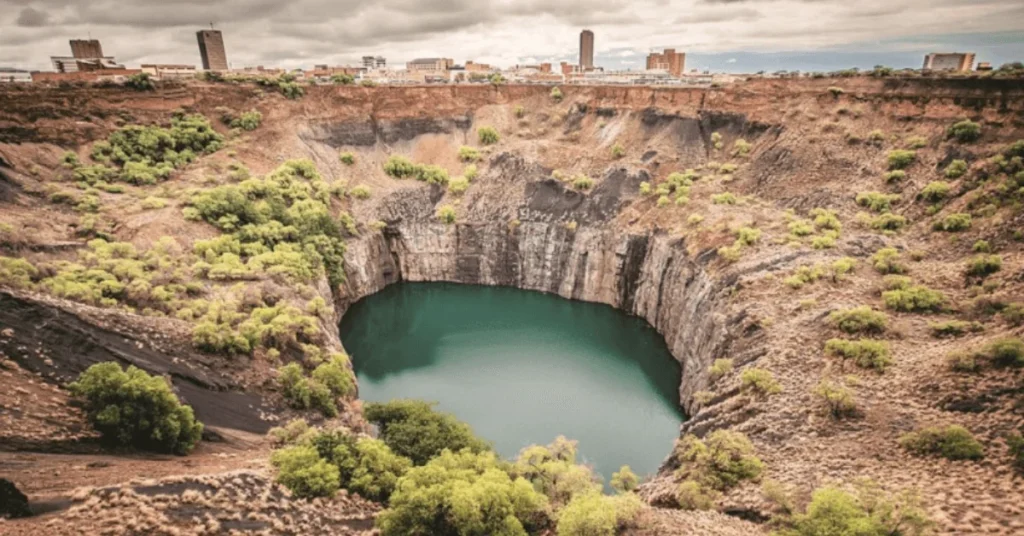
- Kimberley Mine, South Africa – Famous for its diamond history, complete with museum and viewing platforms.
India’s Untapped Potential in Mining Tourism
While India has a deep mining legacy, its tourism potential is only now being realized. Key opportunities include:
- Kolar Gold Fields (Karnataka) – Once among the world’s richest gold mines, now ripe for redevelopment as a heritage site, with colonial structures and machinery.
- Jharia Coalfields (Jharkhand) – Known for underground coal fires and coal history; could host educational tours focused on mining challenges.
- Hindustan Zinc Mines (Rajasthan) – Potential to showcase modern mining technology and sustainability practices.
- Goa’s Iron Ore Mines – Could present a balanced view of mining’s economic role and environmental impacts.
States like Karnataka have even integrated mining tourism into their 2024–29 tourism policy, targeting ₹1,300 crore in private investment for attractions like interactive mining museums and adventure trails.
More Than Tourism – A Cultural and Educational Revolution
Mining tourism isn’t just about sightseeing — it’s about storytelling. It tells the tale of the land, the people who worked it, and the innovations that fueled industries. It transforms hazardous or abandoned mines into safe, educational spaces that:
- Preserve industrial heritage.
- Spark curiosity in science and engineering among students.
- Showcase environmental rehabilitation projects.
- Create sustainable tourism opportunities for local communities.
Conclusion
With Jharkhand’s North Urimari pilot project setting the stage, India could soon see a network of mining tourism destinations that rival international examples. By blending history, technology, adventure, and sustainability, mining tourism can turn forgotten pits into pathways for cultural pride and economic growth.
FAQ’s for Mining tourism
-
What is mining tourism?
Mining tourism involves visiting active, historic, or abandoned mining sites not for resource extraction, but to learn about their history, technology, culture, and environmental impact. Activities can include guided mine tours, heritage exhibitions, adventure sports, and interactive learning experiences.
-
Which is India’s first mining tourism project?
India’s first official mining tourism project was launched in Jharkhand at the North Urimari (Birsa) open-cast coal mine in Ramgarh district. The pilot program offers guided tours showcasing modern mining operations and nearby cultural attractions.
-
What can visitors expect at the North Urimari coal mine tour?
Visitors can explore two specially designed routes, witness coal extraction processes, learn about safety measures, and enjoy cultural and natural heritage sites near the mining area. Tours run twice a week for groups of 10–20.
-
Why is mining tourism important for India?
Mining tourism helps preserve industrial heritage, educates the public on sustainable mining, creates local jobs, diversifies state economies, and promotes cultural understanding of mining communities.
-
Which states in India have potential for mining tourism?
Jharkhand, Karnataka, Rajasthan, Goa, and Chhattisgarh have rich mining histories and could develop heritage mine tours, educational museums, and adventure mining activities.
-
What are famous examples of mining tourism globally?
Some well-known international examples include the Wieliczka Salt Mine in Poland, Zollverein Coal Mine in Germany, Chuquicamata Copper Mine in Chile, Sovereign Hill in Australia, and the Kimberley Diamond Mine in South Africa.