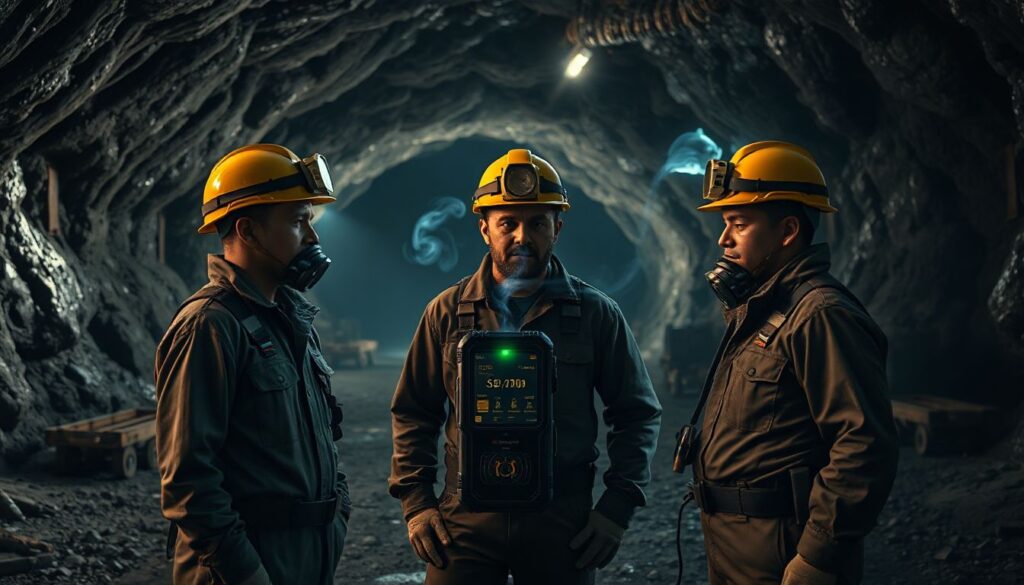
Deep underground, a team of miners drills into rock. Suddenly, a faint hiss escapes from a crack. No smell warns them, but toxic gas floods the air. One miner coughs and drops his tool. Panic spreads as others fight for breath. This nightmare plays out too often in mines without proper tools. Gas detectors step in as silent guardians. They spot dangers before they strike. This article looks at how these devices work, their benefits, and ways to use them right in mining jobs. You’ll see why they turn potential disasters into safe days.
The Hidden Dangers of Gases in Underground Mines
Gases hide in the shadows of underground mines. They build up without notice. Miners face real threats from these unseen foes. Understanding these risks helps everyone stay alert.
Common Toxic Gases and Their Sources
Methane comes from coal seams breaking apart. It builds up in pockets and can spark fires. Carbon monoxide leaks from machines and blasts. It has no color or smell, so it sneaks up fast.
Hydrogen sulfide rises from water mixing with sulfur in rocks. This gas smells like rotten eggs at first, but high levels numb the nose. Radon seeps from uranium traces in the earth. Blasting and diesel engines add more gases to the mix. All these stay hidden without tech to find them.
Health Risks and Immediate Threats to Miners
Short blasts of these gases choke oxygen from the air. Miners gasp and pass out quick. Explosions from methane rip through tunnels in seconds.
Over time, breathing radon or dust-tied gases harms lungs. It leads to breathing problems that last years. Groups like OSHA and MSHA set rules to fight these dangers. They stress checks to cut risks for workers.
Why Early Detection Is Critical for Survival
Confined mine spaces trap gases fast. A small leak turns deadly in minutes. Spotting it early gives time to act.
Workers might feel headaches or feel dizzy first. These signs matter, but trust detectors more. Train teams to watch for them while tech leads the way. Quick alerts save lives when seconds count.
How Gas Detectors Work to Prevent Disasters
Gas detectors act like watchdogs in the dark. They sniff out trouble with smart tech. This keeps miners one step ahead of harm.
Types of Gas Detectors Used in Mining Environments
Portable detectors clip to belts. Miners carry them close for personal alerts. They buzz or beep if levels rise.
Fixed monitors stay put on walls. They watch key spots like entry points. Multi-gas units check several threats at once. Wireless links send data to control rooms for fast response.
These tools fit rough mine life. Dust and bumps don’t stop them. They help teams move safe through tunnels.
Detection Technologies and Sensing Mechanisms
Electrochemical sensors spot toxic gases like carbon monoxide. They change chemicals to measure levels. It’s like a tiny lab in the device.
Catalytic beads heat up to find flammable methane. They spark a safe reaction for readings. Infrared tech scans hydrocarbons without touching them. It works well in dust and wet spots.
These methods give clear numbers. Miners read them on screens or hear alarms. Tech handles the tough mine air without fail.
Integration with Mine Safety Systems
Detectors link to fans that push fresh air. High readings trigger more flow to clear gases. They also tie into sirens for evacuations.
Alarms flash lights in noisy spots. This setup creates a web of safety. Check and tune devices every month to keep them sharp. Follow mine rules for best results. Reliable tools mean fewer scares.
Real-Life Impact: Gas Detectors in Action
Stories from the field show detectors at work. They cut down on bad outcomes. Lives hang on their steady watch.
Case Studies from Major Mining Incidents
In 2010, the Upper Big Branch Mine in the US saw a blast. Poor gas checks let methane build. It killed 29 workers in a flash.
After that, rules got stricter. New detectors caught issues early in other sites. One coal mine stopped a leak before it spread. Alerts let teams pull back safe. Better tech changes the end of these tales.
Broader Safety Improvements and Reduced Accident Rates
Mines now use more advanced monitors. The International Labour Organization notes fewer deaths from gas woes. Protocols with detectors drop incidents by spotting risks soon.
Teams feel safer with real-time data. It builds trust in the job. Overall, accidents fall when these tools join daily routines.
Testimonials from Mining Safety Experts
Experts from MSHA say detectors give workers power over dangers. One report calls them key to quick saves. “They alert before harm hits,” notes a safety chief in a journal.
Miners share how beeps pulled them from bad air. Reviews after events help place them better. Operators should check setups often. This keeps the edge sharp for all.
Best Practices for Implementing Gas Detectors in Mines
Putting detectors to use takes planning. Right steps ensure they shine. Mines run smoother with smart choices.
Selection and Placement Strategies
Pick units for your mine type. Coal spots need methane focus; metal ones watch sulfides. Place them near work faces where gases gather.
Map air flows first. Put detectors in return paths too. This covers hot zones. Test spots to find the best fit.
Training and Maintenance Protocols
Teach workers how to read and reset alarms. Practice drills build quick responses. Everyone must know the drill.
Swap batteries weekly. Clean sensors from dust buildup. Update software for new features. These habits stop breakdowns. Safe mines start with trained hands.
Compliance with Regulations and Standards
Follow the US Mine Safety and Health Act for checks. EU rules cover gas threats too. Look for ATEX marks on gear for blast-proof builds.
Work with trusted sellers. They match global standards. Regular audits keep you on track. Safe ops beat fines every time.
Conclusion
Gas detectors stand as vital shields in underground mines. They catch invisible killers like methane and carbon monoxide early. This prevents blasts, chokes, and long-term ills.
Key wins include real-time alerts, ties to safety nets, and rule-following ease. Invest in strong tech now. Train your team well. Watch for new tools to stay ahead.
Check your mine’s setup today. Strong gas monitoring builds a safer shift for all. Take that step—lives depend on it.