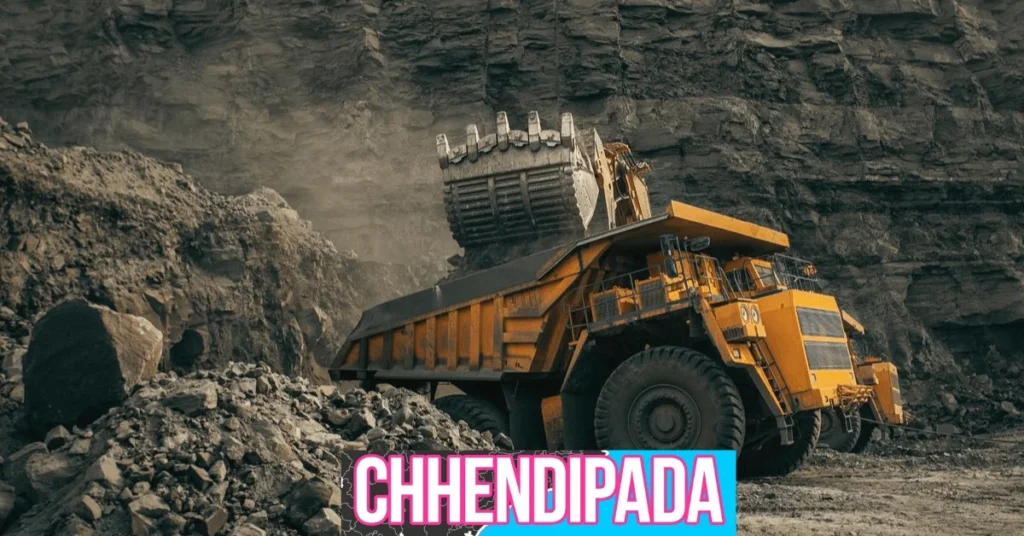
The Aditya Birla Group’s Subhadra Coal Mine Limited (SCML), a subsidiary of Essel Mining and Industries Ltd., has significantly enhanced educational infrastructure in the Chendipada region of Angul district, Odisha.
The company supported six nearby schools—Tangarsahi Primary School, Kankarei Up School, Pirakhaman Primary School, Bahalasahi UP School, Kankarei High School, and Raijharan High School—by providing Smart Interactive Boards and Solar Power Systems.
These modern educational aids are intended to promote quality education through technology-enabled teaching methods, making lessons more engaging and interactive. The solar power systems ensure uninterrupted power supply, creating a conducive environment for comprehensive education.
The initiative was inaugurated by the local MLA Agasti Behera, who praised SCML for its efforts to enhance school infrastructure and urged teachers to effectively utilize these facilities to strengthen digital literacy among students.
Additionally, the event included a large-scale plantation drive themed “Ek Ped Maa Ke Naam” aimed at fostering environmental awareness in the community. The project had robust participation from local officials, school management, and community members, reflecting a collaborative spirit and commitment to both education and environmental sustainability in the region.
This initiative by Subhadra Coal Mines stands as a notable example of corporate social responsibility, directly supporting education and community welfare in Chendipada through technology and sustainable infrastructure improvements.
Subhadra Coal Mine Ltd. (SCML), a unit of Aditya Birla Group, has provided substantial support to six schools in the Chendipada region of Angul district to improve educational standards and facilities. This initiative is part of SCML’s commitment to enhancing educational infrastructure in nearby schools. One of the schools that received support is Tangarsahi Primary School. In July 2025, Subhadra Coal Mining Ltd. also organized a School Health Camp at Government Primary School, Tangarsahi.
Broader CSR Initiatives of Aditya Birla Group
The Aditya Birla Group’s CSR initiatives aim to foster the social and economic development of the communities where they operate, with an annual reach of 9 million people across 7,000 villages through the Aditya Birla Centre for Community Initiatives and Rural Development.
Mrs. Rajashree Birla chairs the ‘Aditya Birla Centre for Community Initiatives and Rural Development,’ which leads the Group’s CSR efforts. The Group’s global investments in CSR exceed Rs. 500 crores. Their CSR focus areas include education, healthcare, sustainable livelihood, infrastructure development, and promoting social causes.
Aditya Birla Renewables, for instance, has equipped schools in various states, including Gujarat, Andhra Pradesh, Karnataka, Rajasthan, and Odisha, with learning tools and infrastructure like computers, desks, tables, and stationery, benefiting over 2,000 students.
They also contribute to rural infrastructure by building and repairing roads and installing streetlights in states such as Andhra Pradesh, Gujarat, Karnataka, and Odisha. Furthermore, Aditya Birla Renewables provides RO-based drinking water systems to villages, schools, and hospitals and helps repair old borewells in Odisha, Andhra Pradesh, Gujarat, and Karnataka.
Subhadra Coal Mine Operations and Concerns
Subhadra Coal Mine, with a reserve of 25 million tonnes (MT) in the Talcher area, is expected to begin operations by the end of the financial year 2025-26. The Aditya Birla Group has proposed a 5 million tons per annum (MTPA) mining project in Singrauli district, Madhya Pradesh, valued at Rs 2,600 crore, with coal reserves of approximately 560 million tons in the Bandha block.
This project is projected to operate for 45 years.However, the proposed coal mining project has raised several concerns. The Madhya Pradesh government has expressed concerns about diverting forest land in an elephant corridor in Singrauli district for the project. Preliminary surveys indicate that over 110,000 trees of various species will be felled, and thousands of people will be displaced for the open-cast mining project.
Important water bodies that replenish underground water tables and sustain dense forests flow through the proposed mine lease area. Project-affected communities have also raised issues with the Madhya Pradesh Chief Minister’s office regarding dissatisfaction with compensation rates for private land acquisition.
A site inspection report highlighted an elephant corridor within the proposed mining lease area. Despite acknowledging these findings, the Forest Advisory Committee (FAC) has not recommended further studies. The FAC also disregarded sightings of various wild animals in the mining lease area, including leopards, sloth bears, spotted deer, nilgai, and wild pigs.
Essel Mining Industries Limited (EMIL), an Aditya Birla Group subsidiary, had initially proposed diverting 785.49 hectares of forest land but later revised the figure to 807.917 hectares. This revised area includes 86.694 hectares of protected forests, 717.673 hectares of reserved forests, and 3.550 hectares of revenue forests.
Chhendipada is a region located in the Angul district of Odisha, India. Geographically, it spans around 516 hectares and is a part of the Chhendipada tehsil. The population of the village is approximately 5,510 people with a literacy rate of about 70.42%, where male literacy is higher (79.50%) compared to female literacy (60.63%).
The area has around 1,296 households, and the nearest major town is Angul, located roughly 40 kilometers away. The wider Angul district, which includes Chhendipada, covers about 6,375 square kilometers and features a humid subtropical climate, with distinct natural divisions such as hills and river valleys. The district is rich in minerals like coal and hosts several large and medium-scale industries, yet a significant part of its economy remains agrarian or small-scale industrial.
Before recent interventions such as those by Aditya Birla Group’s Subhadra Coal Mines, the existing school infrastructure in Chhendipada and similar rural areas faced considerable deficits. Many schools operated in dilapidated buildings with inadequate classrooms, poor or no electricity, and insufficient sanitation facilities.
Access to basic utilities and learning amenities was limited, hindering effective teaching and learning. There were no widespread digital resources or technological aids, contributing to a gap between rural and urban educational quality.
The challenges faced by students and teachers in rural schools like those in Chhendipada are multifaceted:
Teacher shortages and absenteeism are common, with many rural schools relying on poorly paid, ad-hoc, or underqualified teachers who often leave for better opportunities. This disrupts continuity and student support.
Teaching quality suffers due to inadequate training and limited teaching aids. Curriculum relevance is often questioned since it does not reflect the local rural context, making engagement difficult.
Infrastructure limitations such as lack of electricity, clean water, and proper classrooms limit the adoption of innovative teaching methods and discourage attendance by students and teachers alike.
Socio-economic factors, including poverty and social norms, impact students’ ability to attend and continue education, especially affecting girl students due to cultural constraints.
Resource shortages include insufficient textbooks, learning materials, and digital connectivity that could help bridge educational disparities.
Overall, these challenges highlight the vulnerability of rural education in Chhendipada, with a strong need for infrastructural improvements, teacher support programs, technology integration, and socio-economic interventions to foster an equitable and quality educational environment.
The recent initiatives to provide smart boards and solar power systems to schools are direct responses to these long-standing issues, aiming to improve the learning experience and infrastructure stability for the students and teachers in the region.
The infrastructure enhancement initiative by the Aditya Birla Group’s Subhadra Coal Mines in Chendipada focused on substantial improvements in educational facilities across six nearby schools: Tangarsahi Primary School, Kankarei Up School, Pirakhaman Primary School, Bahalasahi UP School, Kankarei High School, and Raijharan High School.
Scope and Scale
The project targeted these six schools in the region, aiming to uplift the quality of education and the overall learning environment for students through infrastructural and technological upgrades. This demonstrates a focused yet impactful approach within the community surrounding the Subhadra coal mining area.
Facilities Upgraded
Classrooms were enhanced primarily through the introduction of Smart Interactive Boards, enabling a modern, technology-enabled teaching methodology that makes learning more engaging and interactive.
Solar Power Systems were installed to ensure an uninterrupted power supply, which is critical for the proper functioning of digital tools and maintaining a conducive learning environment.
While specific data on sanitation, drinking water, and playground upgrades for these particular schools is not detailed, the broader infrastructure efforts by the Aditya Birla Group typically include community development projects such as school blocks, approach roads, and water facilities as part of their CSR initiatives. It is plausible that some complementary improvements in these areas are part of their ongoing efforts in the region.
Digital Learning Tools and Modern Amenities
The Smart Interactive Boards serve as the core digital learning tool introduced, aimed at making lessons more effective and fostering digital literacy among students.
The solar power installations support these digital tools by providing reliable energy, overcoming frequent power outages common in rural education settings.
Local authorities and stakeholders, including the Chendipada MLA, emphasized the importance of utilizing these technological amenities to strengthen the educational experience.
Community Engagement: The initiative was inaugurated with strong participation from local government officials, school leaders, and community members, reflecting a collaborative spirit. A plantation drive also accompanied the event, highlighting an integrated approach to community welfare.
Impact on the Community
The infrastructure enhancement initiative by the Aditya Birla Group’s Subhadra Coal Mines in Chendipada has brought about several positive impacts on the local community, particularly in education and socio-economic development.
With the introduction of Smart Interactive Boards and reliable solar power systems, schools now offer a more engaging and welcoming learning environment, which has helped improve both student attendance and enrollment rates.
Modern facilities and uninterrupted electricity have made classrooms more attractive, especially encouraging for girl students, thereby helping to reduce dropout rates linked to inadequate infrastructure. The availability of digital learning tools has also enhanced teaching quality, boosting teacher morale and enabling more interactive, effective lessons.
This improved environment fosters stronger teacher-student engagement, leading to better academic outcomes. In the long term, these improvements are likely to contribute to the socio-economic upliftment of the community by equipping youth with valuable skills, increasing their employment prospects, and supporting poverty reduction.
Improved education will also have a positive impact on health, gender equality, and overall community empowerment, aligning with the broader goal of fostering sustainable rural development in Chendipada.
CSR and Sustainability: Aditya Birla Group’s Long-Term Vision
The Aditya Birla Group’s Corporate Social Responsibility (CSR) and sustainability efforts in education and community development align closely with national educational development goals and the United Nations Sustainable Development Goals (UN SDGs).
Through the Aditya Birla Centre for Community Initiatives and Rural Development, led by Mrs. Rajashree Birla, the Group actively contributes to the social and economic upliftment of the communities where it operates.
Their vision emphasizes building a sustainable way of life and raising the country’s human development index by focusing on key areas such as education, healthcare, women’s empowerment, sustainable livelihoods, and infrastructure development.
Partnerships are a cornerstone of the Group’s CSR approach. They collaborate extensively with government bodies, district authorities, village panchayats, NGOs, and other like-minded organizations to ensure community needs are understood and addressed in a participatory manner.
By consulting local stakeholders through processes like Participatory Rural Appraisal and engaging community leaders, the Group tailors its initiatives to meet specific local requirements, ensuring implementation is relevant and effective. Ownership of projects is gradually transferred to communities to foster self-reliance and sustainability.
Looking ahead, the Aditya Birla Group has robust future plans centered around education, skill development, and livelihood programs, particularly in regions like Odisha. For example, vocational training centres such as the Aditya Birla Skills Centre in Sambalpur provide industry-relevant technical and soft skills to youth, achieving high placement rates and empowering marginalized groups, especially women.
The Group’s efforts also include expanding skill training infrastructure, enhancing digital literacy, and supporting sustainable livelihood models through Self-Help Groups, agro-based training, and rural technology parks. These initiatives are designed to equip the youth and local populations with practical skills that improve employability and foster economic independence while promoting inclusive growth and gender equality.
The Aditya Birla Group’s CSR and sustainability vision is a comprehensive, collaborative, and forward-looking strategy that integrates national development priorities with localized, community-driven actions to create lasting educational and socio-economic benefits in underserved regions like Chendipada and beyond.
FAQ’s
-
How does the Aditya Birla Group’s CSR vision align with national educational development goals?
The Group’s CSR initiatives align with both India’s National Education Policy objectives and the UN Sustainable Development Goals by focusing on quality education, digital literacy, skill development, and infrastructure upgrades in underserved regions.
-
What role do local authorities and community leaders play in these initiatives?
The Group works closely with government bodies, village panchayats, NGOs, and community leaders to identify local needs through Participatory Rural Appraisal. This ensures projects are relevant, well-accepted, and sustainable, with eventual ownership passed to the communities.
-
What ongoing projects in Odisha reflect this long-term vision?
Key initiatives include school infrastructure upgrades in Chendipada, vocational training at the Aditya Birla Skills Centre in Sambalpur, and livelihood support programs such as Self-Help Groups and agro-based training to create sustainable income sources for rural households.
-
How is the Group addressing skill development and employability?
They have set up vocational training centres offering industry-relevant courses with a strong focus on youth empowerment and women’s employment. Placement support ensures that participants gain access to real-world job opportunities, boosting economic self-reliance.
-
What future plans does the Aditya Birla Group have for rural education and livelihood improvement?
Future plans include expanding skill training infrastructure, enhancing digital literacy across rural schools, promoting women’s entrepreneurship, and introducing sustainable livelihood models such as rural technology parks and eco-friendly agricultural practices.