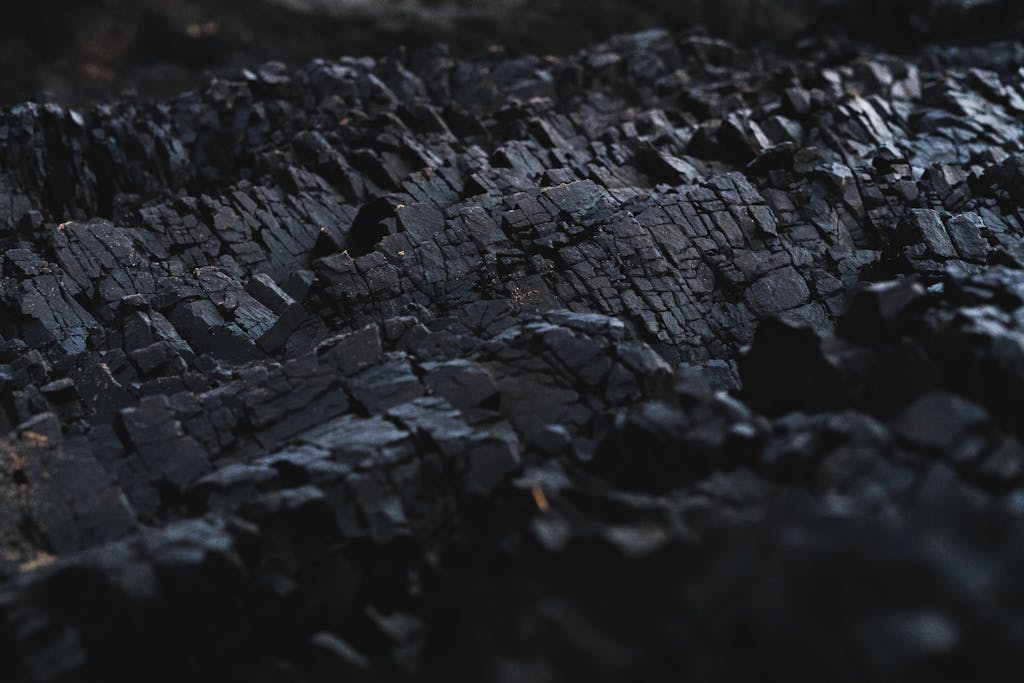
The Ministry of Coal has enabled scientific coal mining in Meghalaya, with production commencing at Saryngkham A and Pyndengshahlang coal blocks.
Resumption of Scientific Coal Mining in Meghalaya
The Ministry of Coal has successfully facilitated the start of scientific coal mining in Meghalaya, marking a significant step towards regulated and environmentally sustainable practices in India’s North-East region. This initiative brings regulated and environmentally sound coal mining to the North-East region.
Scientific coal mining has resumed after a decade-long ban imposed by the National Green Tribunal (NGT) due to environmental and safety concerns related to unregulated mining practices. The NGT had banned the unscientific “rat-hole mining” and transportation of coal in the state ten years ago. Rat-hole mining is a primitive method where pits, ranging from 5 to 100 square meters, are dug to reach coal seams, and tunnels are created sideways to extract coal manually. This method has led to several worker deaths due to being trapped in the mines.
Operational Coal Blocks and Approvals
Production has commenced in two coal blocks in Meghalaya: Saryngkham A in the East Jaintia Hills and Pyndengshahlang in the West Khasi Hills. The Saryngkham A Coal Block received opening permission on March 10, 2025, and began production on June 3, 2025.
The Pyndengshahlang Coal Block was granted permission on May 2, 2025, with operations starting on June 5, 2025. These two blocks began production after receiving due approvals. In January 2025, the Ministry of Coal had approved three coal mining leases, including Saryngkham-A, Lumia-khi-Wah Sarang in East Jaintia Hills, and Pyndeng-shalang in West Khasi Hills.
Commitment to Sustainable Mining
This milestone underscores the Ministry’s commitment to promoting legal, safe, and scientific mining practices. The Ministry of Coal has called for active cooperation from state governments to expand scientific coal mining and streamline transportation in the region.
Such collaborative efforts are crucial for ensuring energy security and fostering economic growth in the North-Eastern states. The resumption of coal mining follows extensive legal and regulatory efforts to establish compliant mining operations that address previous violations of environmental laws and health risks.
Meghalaya’s Chief Minister, Conrad K Sangma, stated that three miners have started extracting coal using scientific mining methods, and eleven more miners are awaiting permission from the Ministry to extract coal in the state.
Background and Policy Framework
Historically, coal mining has been a prominent activity in Meghalaya, often conducted through small-scale, unregulated “rat-hole mining”. This primitive method involves digging narrow, four-foot-high tunnels to access coal seams, with workers entering in a hazardous manner to extract coal manually. The indiscriminate and unscientific nature of this mining, coupled with the absence of post-mining treatment, has made the fragile ecosystems more vulnerable to environmental degradation.
Overview of Past Mining Practices in Meghalaya
The past mining practices in Meghalaya were largely dominated by the “rat-hole” mining method. This labor-intensive method involved excavating narrow tunnels, often only four feet high, where workers extracted coal manually in hazardous conditions.
This unscientific approach has been the sole method of coal mining in the Jaintia Hills and other coal-rich regions of Meghalaya. The traditional system of mining by local people on their own land was a common practice. The practice of rat-hole mining has been linked to numerous accidents and fatalities, with miners, including children, often trapped in the narrow, suffocating tunnels.
Challenges Faced: Environmental, Safety, and Legal Issues
Environmental Degradation
Unscientific coal mining in Meghalaya has led to extensive environmental degradation, affecting ecosystems and human health. A significant concern is the production of Acid Mine Drainage (AMD), which pollutes nearby areas as acidic waste leaches from coal mining sectors, turning rivers toxic with heavy metals and sulfur. This has resulted in the destruction of land, soil, forests, and water resources. Moreover, coal mining has contributed to deforestation, soil erosion, and habitat loss, impacting the state’s rich biodiversity.
Safety Hazards
The “rat-hole mining” method is inherently unsafe, leading to frequent accidents and fatalities. Miners, including children, work in dangerous conditions, often without adequate safety equipment. The hazardous conditions inside the mines, such as heat, humidity, and lack of oxygen, endanger the health of miners, contributing to diseases like tuberculosis. Incidents of miners being trapped due to mine floods are not uncommon.
Legal Issues
Despite legal frameworks like the Mines Act, 1952, and the Mines and Minerals (Development and Regulation) Act, 1957, these laws have not been consistently applied to Meghalaya due to its constitutional status under the Sixth Schedule and Article 244 of the Constitution of India, 1950.
This constitutional status has been argued to facilitate exploitation rather than protecting the masses. The National Green Tribunal (NGT) banned rat-hole mining in 2014 due to its unscientific and unsafe practices, a ban upheld by the Supreme Court under the MMDR Act. However, illegal mining continued, with an NGT-appointed committee finding close to 24,000 illegal rat-hole coal mines still operational by the end of 2024.
Government Regulations and the Role of the Ministry of Coal
The Ministry of Coal plays a crucial role in enabling scientific coal mining in Meghalaya, marking a move towards regulated and environmentally sustainable practices. In January 2025, the Ministry approved three coal mining leases, including Saryngkham-A, Lumia-khi-Wah Sarang, and Pyndeng-shalang.
The state government, under the Department of Mining and Geology, has also formulated rules such as the Meghalaya Minerals (Prevention of Illegal Mining, Transportation and Storage) Rules, 2022, and the Meghalaya Minor Mineral Concession Rules, 2016, to regulate mining activities.
The Ministry of Coal has emphasized the importance of active cooperation from state governments to expand scientific coal mining and streamline transportation. The Ministry has also introduced new incentives to boost underground coal mining in India.
Alignment with National Mineral Policy and Sustainable Development Goals
The resumption of scientific coal mining in Meghalaya is expected to align with the principles of the National Mineral Policy and Sustainable Development Goals. The National Mineral Policy aims to ensure sufficient mineral resources for societal and economic development, enhance the competitive advantage of the national mineral industry, and promote sustainable development.
The Meghalaya State Mineral Policy is formulated with a mission for sustainable and eco-friendly growth of mineral deposits and mineral-based industries. While coal mining has historically contributed to employment and economic growth in Meghalaya, it has come at a price to biodiversity and environmental sustainability.
The transition to scientific and regulated mining is intended to bring new opportunities while addressing past challenges. The state’s rich mineral deposits, including coal, limestone, and uranium, are seen as potential drivers for higher sustainable growth.
Implementation of Scientific Coal Mining
The implementation of scientific coal mining in Meghalaya marks a significant shift from the previously banned rat-hole mining methods. This transition follows extensive legal and regulatory efforts aimed at ensuring environmental sustainability and worker safety. The new framework seeks to establish compliant mining operations that address past violations of environmental laws and health risks.
Inauguration and Operationalization
The first ‘scientific’ coal mining block at Saryngkham-A in the Byndihati area of the East Jaintia Hills district was inaugurated on April 17, 2025, by Chief Minister Conrad K. Sangma. This inauguration signifies a pivotal moment for the state after a decade-long ban on hazardous rat-hole mining. Two other blocks, Lumiakhi Wahsarang in the same district and Pyndengshalang in the West Khasi Hills district, have also received clearance from the Ministry of Coal. The Ministry of Coal officially facilitated the launch of scientific coal mining in Meghalaya. The Saryngkham A Coal Block began production on June 3, 2025, after receiving permission on March 10, 2025, while the Pyndengshahlang Coal Block started operations on June 5, 2025, with permission granted on May 2, 2025.
Regulatory and Procedural Steps
The shift to scientific mining involved a complex process of obtaining various clearances and approvals. This included challenging the Supreme Court’s coal mining ban, securing special provisions from the Ministry of Coal, and creating a new Standard Operating Procedure (SOP) specifically tailored for Meghalaya. Additionally, over 20-30 clearances from various departments were required.
On January 29, three Escrow agreements were signed by the Controller of Coal, Government of India, with project proponents for mining sites at Pyndengshalang in West Khasi Hills, Saryngkham in West Jaintia Hills, and Lumiakhi Wahsarang in East Jaintia Hills.
The Chief Minister confirmed that all necessary permissions had been granted, allowing miners to commence operations. Each miner is required to submit a scientifically approved mining plan, vetted by central agencies like the Ministry of Coal, ensuring compliance with national environmental and safety norms.
Key Features of Scientific Mining
Scientific coal mining, unlike rat-hole extraction, adheres to strict environmental and safety protocols. It mandates environmental impact assessments to protect biodiversity and community interests. The methods involve controlled blasting to minimize underground disturbances and regulated waste disposal to prevent acid mine drainage.
Crucially, land reclamation and afforestation are required to restore mined areas, ensuring that landscapes are not left barren and toxic. The approved operations are designed to be scientific, regulated, and monitored, with strict conditions attached to clearances. This approach aims to create a systematic and legal coal mining sector, thereby reducing illegal activities and ensuring responsible resource management.
Economic and Social Impact
The resumption of scientific mining is anticipated to have a significant economic impact, potentially matching or exceeding past annual revenues of Rs 500 crore to Rs 900 crore from coal mining. While optimal production levels are expected to take time, substantial revenues are projected.
This transition is also expected to provide stable employment for thousands of former rat-hole miners, integrating local communities into a structured system. The government aims to ensure a fair transition for those whose livelihoods were impacted by the sudden ban on traditional mining. The Saryngkham project, for instance, is designed to extract 0.45 million tonnes of coal over 12 years, with a peak capacity of 0.10 million tonnes per annum.
FAQ’s
-
Why was coal mining banned in Meghalaya for a decade?
The National Green Tribunal (NGT) banned coal mining in 2014 due to the hazardous and unscientific “rat-hole” mining method, which caused severe environmental damage, frequent miner deaths, and unsafe working conditions.
-
What is the difference between rat-hole mining and scientific coal mining?
Rat-hole mining involves digging small, unsafe tunnels to manually extract coal, posing high risks to miners and the environment. Scientific coal mining uses modern machinery, follows safety protocols, and implements environmental safeguards such as controlled blasting, waste management, and land reclamation.
-
Which coal blocks have started production under the new scientific mining framework?
Production has commenced at the Saryngkham A Coal Block in East Jaintia Hills and the Pyndengshahlang Coal Block in West Khasi Hills, both approved by the Ministry of Coal in 2025.
-
How will scientific coal mining benefit Meghalaya’s economy?
Scientific coal mining is expected to generate significant revenue—potentially Rs 500–900 crore annually—create stable jobs for former rat-hole miners, and promote legal, regulated mining practices that attract sustainable investment in the region.