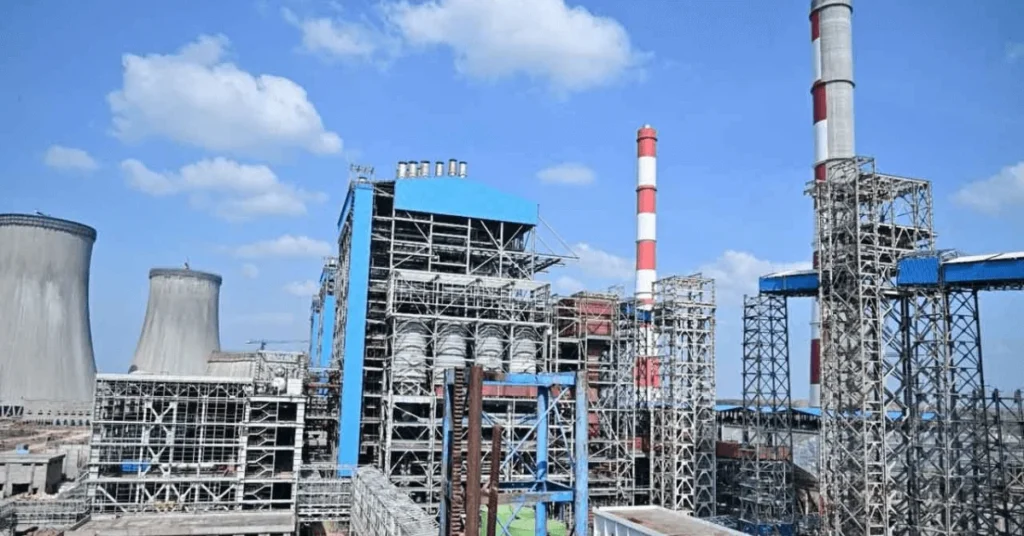
Yadadri Thermal Power Plant – 4,000 MW Supercritical Project in Telangana. coal-based project by TSGENCO. Learn about its location, capacity, construction milestones, technology, coal sourcing, environmental measures, and role in strengthening the state’s power supply.
Introduction to Yadadri Thermal Power Plant
The Yadadri Thermal Power Plant (YTPS) is a landmark 4,000 MW supercritical coal-fired power project that addresses Telangana’s urgent electricity demand. As the second-largest thermal facility in South India, it significantly boosts the state’s energy security by supplying a stable, base-load power source essential for economic growth and industrial development. Its supercritical technology improves fuel efficiency and reduces emissions compared to conventional coal plants.
Location and Strategic Importance in Telangana’s Power Grid
Located near Veerlapalem village in Nalgonda district, approximately 135 km from Hyderabad’s international airport and 5 km from Vishnupuram railway station, YTPS is strategically positioned to integrate efficiently with Telangana’s grid. Its 400 kV double-circuit transmission lines connect to major substations like Choutuppal and Maheshwaram, stabilizing grid frequency and voltage while supporting the increasing electricity needs of the capital region and industrial hubs.
Historical Background
Conception and Planning Stages for Post Telangana’s formation in 2014, the new state urgently needed to reduce power deficits hampering development. TSGENCO initiated planning for a large-capacity, modern coal-based power plant that could provide long-term, reliable electricity. The project was envisaged to meet rising demand and replace aging facilities.
Government Approval and Policy Support the Ministry of Environment, Forest and Climate Change (MoEF&CC) granted environmental clearance after thorough impact assessments in June 2017. The government backed the plant under policies favoring domestic electricity generation capacity expansion with emphasis on efficient, low-emission technologies like supercritical boilers.
Initial Budget and Funding Sources the initial project cost estimate was ₹25,099 crores (~$3.8 billion), later revised to ₹30,000 crores (~$4.3 billion) to incorporate updated technology, environmental systems, and infrastructure enhancement. Funding comprised loans from Power Finance Corporation (PFC), Rural Electrification Corporation (REC), complemented by Telangana state funds.
Project Ownership and Management
Role of Telangana State Power Generation Corporation Limited (TSGENCO) TSGENCO is the project owner responsible for overseeing construction, commissioning, and future operations. It ensures compliance with project timelines, quality standards, and strategic alignment with Telangana’s power needs.
Partnerships with Contractors and EPC Companies Bharat Heavy Electricals Limited (BHEL), India’s premier engineering and EPC company, won the contract to supply, install, and commission all major equipment. BHEL’s experience ensures adherence to supercritical parameters, environmental safeguards, and timely commissioning.
Technical Specifications
Installed Capacity and Unit Configuration the plant comprises five identical supercritical units, each rated at 800 MW, adding up to a total installed capacity of 4,000 MW. This modular approach allows phased commissioning, optimizing performance and supply.
Boiler, Turbine, and Generator Technology each unit uses a pulverized coal-fired boiler operating at steam parameters of 247 kg/cm² and 593°C, facilitating supercritical steam cycles. The single-shaft steam turbine generator sets are high efficiency, reducing coal consumption per unit of electricity generated and lowering emissions.
Coal Requirements and Sourcing Strategy daily coal consumption is approximately 50,000 metric tonnes. To ensure continuous supply and price stability, half is sourced domestically from Singareni Collieries Company Limited (SCCL) and half from imports (Australia, South Africa, Indonesia). This diversified sourcing mitigates risks from supply disruptions and quality variations.
Cooling Systems and Water Sources the plant employs a closed-circuit cooling system with natural draft cooling towers, balancing cooling efficiency with water conservation. Water is drawn from the Krishna River through a 6 km pipeline at about 10,000 m³/hr, with strict metering and recycling practices to minimize withdrawal.
Construction Timeline and Milestones
Groundbreaking Ceremony and Early Works the foundation stone was laid on June 8, 2015, signaling the official start of the project. Early work included land clearing, access road construction, and setting up site offices.
Major Civil and Structural Works from October 2017, intensive construction of boiler foundations, turbine halls, cooling towers, and ash handling systems took place under BHEL’s management. Strong quality controls ensured structural integrity critical for supercritical operations.
Equipment Installation and Testing post-structural work, boilers, turbines, generators, and auxiliary systems were installed with precision engineered tolerances. Testing included pressure tests, alignment, electrical checks, and trial runs to validate design parameters.
Commissioning of Unit-2 was the first commissioned in January 2025, followed by Unit-1 in July 2025, with the remaining three units expected online by February 2026. Phased commissioning allows gradual integration and staff training.
Project Timeline & Commissioning of Yadadri Thermal Power Plant
The Yadadri Thermal Power Plant, with a total installed capacity of 4,000 MW through five supercritical units of 800 MW each, has followed a structured and phased timeline for construction and commissioning to ensure timely and efficient power generation.
Timeline Milestones:
Groundbreaking Ceremony: The official foundation stone ceremony was held on June 8, 2015, marking the formal commencement of the project.
Early Works: Initial activities involved land clearing, construction of access roads, and setting up site offices throughout 2015 and 2016.
Start of Major Civil and Structural Works: From October 2017, under Bharat Heavy Electricals Limited (BHEL), major construction began, including boiler foundations, turbine halls, cooling towers, and ash handling structures, with strict quality controls for supercritical operations.
Equipment Installation and System Testing: Following the structural work, boilers, turbines, generators, and auxiliary systems were installed. Comprehensive testing—including pressure tests, electrical checks, and trial runs—ensured compliance with design standards and operational readiness.
Phased Commissioning of Units:
Unit-2 Commissioning: Achieved in January 2025, the first unit to begin commercial operation, contributing initial power supply.
Unit-1 Commissioning: Followed in July 2025, expanding operational capacity.
Remaining Units (3, 4, and 5): Scheduled to be commissioned sequentially by February 2026, completing the full 4,000 MW capacity.
Commissioning Approach
The phased commissioning approach allows gradual integration of each unit into Telangana’s power grid, ensuring smooth operational transition, allowing teams to calibrate equipment, conduct staff training, and manage grid stability effectively. This stepwise strategy minimizes risks associated with large-scale simultaneous plant startups.
Integration with State Grid
Electricity generated from commissioned units is evacuated through dedicated 400 kV double-circuit transmission lines connected to major substations in Telangana, supporting grid stability and meeting growing electricity demand in Hyderabad and industrial regions.
Overall, the project timeline and commissioning have been carefully managed to align with Telangana’s energy security goals, with ongoing work to complete all units as per schedule, incorporating modern supercritical technology to enhance efficiency and environmental compliance.
Fuel Supply and Logistics
Primary Coal Supply Agreements long-term supply contracts with SCCL guarantee 7 million tonnes annually of domestic coal. Imported coal is procured via MSTC’s e-auction for price competitiveness and quality control.
Transportation Infrastructure and Rail Connectivity Coal is delivered primarily by rail through enhanced connectivity at Vishnupuram station. South Central Railway has augmented track capacity by doubling lines on coal routes ensuring timely coal evacuation and minimizing delays.
Coal Handling and Storage Facilities on-site coal handling plants feature unloading facilities, crushing, storage yards with dust suppression, and automated feeding systems to ensure continuous boiler fuel input, reducing combustion interruptions.
Power Generation Process
Step-by-Step Electricity Production Pulverized coal is burned in supercritical boilers generating high-pressure, high-temperature steam. Steam drives turbines connected directly to generators, converting mechanical to electrical energy. Electricity is stepped up via transformers to 400 kV for transmission.
Integration with State Transmission Network generated power is evacuated through dedicated 400 kV double circuits connecting substations, balanced with grid control centers managing load demand and frequency.
Environmental and Sustainability Measures
Emission Control Technologies advanced electrostatic precipitators remove particulate matter, while flue gas desulfurization (FGD) units reduce sulfur dioxide emissions, meeting stringent environmental norms.
Ash Handling and Disposal Systems dry ash collection and pneumatic transport to engineered ash dyke facilities minimize air pollution. Plans for beneficial reuse in cement and brick manufacturing mitigate environmental footprint.
Water Conservation and Recycling Initiatives efficient cooling water recycling reduces Krishna river water intake. Treated effluents comply with discharge standards to preserve local water bodies.
Afforestation and Greenbelt Development approximately 33% of the project area is dedicated to greenbelt development, providing ecological benefits, reducing dust, and enhancing aesthetic value.
Compliance and Regulatory Framework
Environmental Clearances and Approvals Clearances from MoEF&CC, Telangana State Pollution Control Board, and other authorities were obtained after rigorous impact assessments, securing ongoing regulatory compliance.
Safety Standards and Monitoring the plant adheres to national occupational safety standards with continuous air and water quality monitoring, noise control, and regular health checks for workers.
Audits and Periodic Inspections Government and third-party auditors regularly inspect operations, emissions, and safety measures to ensure standards and facilitate continuous improvement.
Economic and Social Impact
Contribution to Telangana’s Energy Security by adding 4,000 MW, YTPS dramatically reduces the power deficit, enabling economic expansion, industrial growth, and improved quality of life with reliable electricity.
Employment Generation During and After Construction thousands of temporary construction jobs boosted local employment. Post-commission, over 1,000 skilled and support personnel staff the plant, contributing to sustained livelihoods.
Local Community Development Initiatives TSGENCO implements CSR programs including healthcare camps, school renovations, water supply projects, and infrastructure improvements supporting the socio-economic progress of nearby villages.
Financial Aspects
Total Project Cost and Expenditure Breakdown the ₹30,000 crore budget covers land, construction materials, equipment, environmental technology, infrastructure, and contingencies.
Sources of Financing and Loan Arrangements PFC and REC loans constitute major debt, balanced by equity from Telangana government and cash flow from TSGENCO.
Long-Term Operational Costs Include Coal procurement, labor wages, maintenance, environmental compliance, and administrative expenses, managed through efficient operational protocols to optimize costs.
Challenges and Delays
Land Acquisition and Rehabilitation Issues challenges included acquiring forest land, negotiating compensation, and ensuring rehabilitation for displaced families, addressed through stakeholder engagement and legal compliance.
Technical and Engineering Hurdles Deploying supercritical technology required advanced materials and skills, with delay mitigation via expert consultations and phased construction schedules.
Policy Changes and Their Impact Environmental clearance processes and National Green Tribunal rulings introduced delays, mitigated by enhanced studies, compliance reporting, and public consultations.
Safety Measures and Risk Management
Worker Safety Protocols Comprehensive safety training, use of personal protective equipment (PPE), and onsite medical facilities ensure worker well-being.
Fire and Explosion Prevention Systems Automated fire detection and sprinkler systems, along with rigorous hazard analyses, minimize risks.
Emergency Response Plans Regular drills coordinate with local emergency services, ensuring preparedness for accidents or natural disasters.
Role in Telangana’s Power Sector
Meeting Growing Electricity Demand YTPS provides dependable base-load power supporting residential, commercial, and industrial sectors as Telangana urbanizes and industrializes rapidly.
Balancing Renewable and Thermal Generation It complements intermittent renewables by providing steady power, thus enhancing grid reliability and reducing blackout risks.
Contribution to Grid Stability the plant’s large capacity and fast ramp-up capabilities aid in frequency regulation and voltage control.
Future Upgrades and Expansion Plans
Potential Capacity Expansion Studies are underway to explore additional capacity or installing more efficient units aligned with demand forecasts.
Modernization and Technology Upgrades Plans include digital automation, AI-based predictive maintenance, and possible incorporation of carbon capture and storage (CCS).
Possible Shift to Cleaner Fuels exploration of biomass co-firing and other cleaner fuels aims to reduce carbon footprint progressively.
Public Perception and Media Coverage
Public Support and Opposition While many welcome the reliable power supply and job creation, environmental activists and NGOs express concern about emissions and water use, prompting transparent dialogues.
Coverage in National and Regional Media Media highlights project milestones, technical achievements, and environmental compliance, fostering informed public discourse.
Comparative Analysis
Comparison with Other Major Thermal Power Plants in India YTPS is among the most advanced coal plants in India in terms of supercritical tech and efficiency, ranking high compared to older plants like NTPC’s Singrauli or Korba.
Benchmarking Efficiency and Output Designed with an efficiency rate of about 42-43%, it exceeds many conventional plants, optimizing fuel use and emissions per MW generated.
Role in National Energy Policy
Alignment with India’s Power Sector Goals Supports India’s objective of reliable coal-based capacity with environmentally sound technologies, aiding transition during renewable scale-up.
Contribution to National Grid Reliability Enhances southern grid robustness, ensuring uninterrupted power supply amid growing demand and renewables variability.
Training and Skill Development
Employee Training Programs Ongoing technical and safety training develops high-caliber operational teams.
Collaborations with Technical Institutions Partnerships with engineering colleges facilitate technology transfer and skilled manpower development.
Technological Innovations
Digital Monitoring and Automation Systems Centralized control centers allow real-time status monitoring, fault diagnosis, and optimized operations. AI and Predictive Maintenance Tools Emerging AI tools forecast equipment degradation, preventing failures and reducing downtime.
CSR (Corporate Social Responsibility) Initiatives
Healthcare and Education Programs for Locals Regular health camps, scholarships, and education infrastructure upgrades promote social welfare. Infrastructure Support in Nearby Villages Improvements include road construction, potable water supply, sanitation, and electrification.
Maintenance and Operational Practices
Routine Maintenance Schedules Scheduled overhauls and preventive maintenance ensure peak plant performance.
Performance Monitoring and Optimization Data-driven approaches continuously benchmark plant efficiency, fuel consumption, and emissions.
Energy Output and Performance Statistics
Annual Generation Figures the plant is expected to generate approximately 29,784 million units annually at planned capacity utilization.
Efficiency and Load Factor Trends High load factors (above 80%) and supercritical efficiency minimize coal use and emissions per unit generated.
Environmental Challenges and Mitigation
Addressing Air Quality Concerns Installation of FGD, ESPs, and tall stacks reduce airborne pollutants; ongoing air quality monitoring supports compliance.
Climate Change Implications Although coal-fired, supercritical design lowers CO₂ intensity, and future upgrades aim to further reduce the carbon footprint.
Conclusion
Overall Achievements and Contributions The Yadadri Thermal Power Plant exemplifies a modern, high-capacity coal power project that strengthens Telangana’s energy security while incorporating advanced technology and environmental safeguards.
Long-Term Outlook for the Yadadri Thermal Power Plant
The Yadadri Thermal Power Plant is poised to remain a critical energy source as Telangana transitions toward more renewables, with modernization and clean technology adoption planned to balance reliability and sustainability.
FAQ’s for Yadadri Thermal Power Plant
-
What is the capacity of Yadadri Thermal Power Plant?
The Yadadri Thermal Power Plant has an installed capacity of 4,000 megawatts (MW), consisting of five supercritical units of 800 MW each.
-
Where is Yadadri Thermal Power Plant located?
It is located at Dameracherla in Nalgonda district, Telangana, India.
-
Who owns the Yadadri Thermal Power Plant?
The plant is owned and operated by the Telangana State Power Generation Corporation Limited (TSGENCO).
-
When was Yadadri Thermal Power Plant commissioned?
Unit 1 was dedicated to the nation in August 2025.
Unit 2 was inaugurated in December 2024.
The remaining units are expected to be operational by January 2026. -
What technology is used in Yadadri Thermal Power Plant?
It uses supercritical coal-fired boiler technology, supplied and installed by BHEL. This includes high-efficiency boilers, turbines, and generators with steam parameters of 247 kg/cm² and 593 °C.