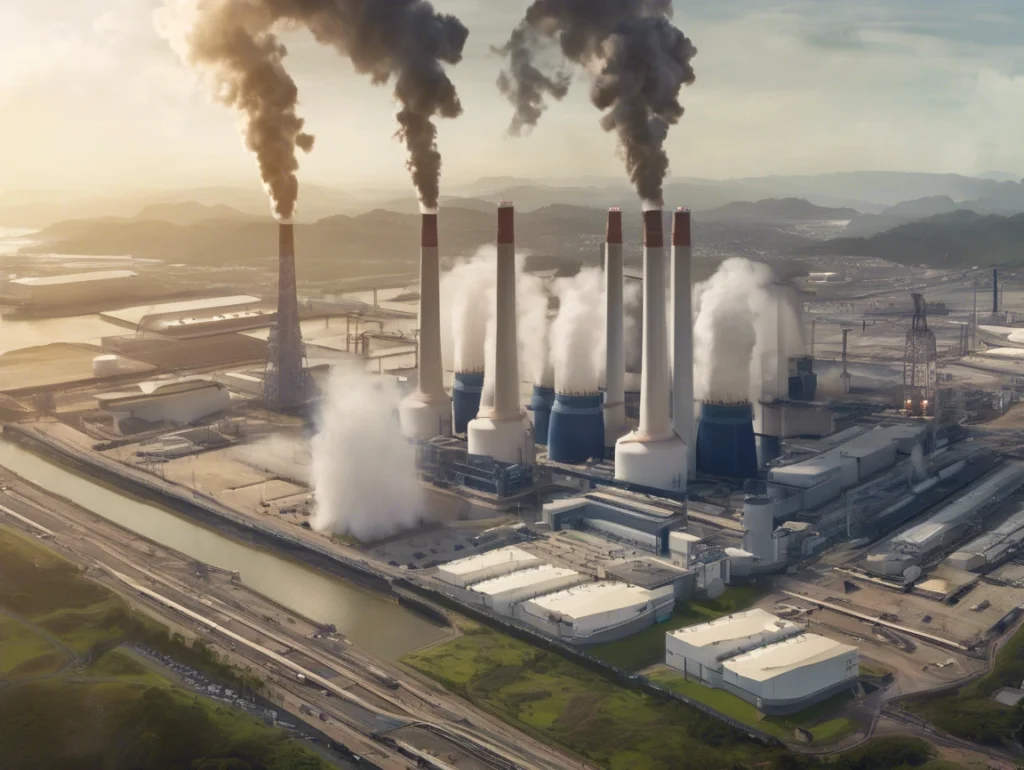
Brazil inaugurates GNA II, the largest thermal power station in Latin America. With 3 GW capacity and hydrogen-ready technology, the project marks a major step in Brazil’s energy transition.
Rio de Janeiro, July 28, 2025: Brazil has marked a historic milestone in its energy sector with the inauguration of GNA II, the largest thermal power station in Latin America. President Luiz Inácio Lula da Silva officially opened the facility at the Port of Açu in Rio de Janeiro State, highlighting the country’s growing potential in the global energy transition.
A Landmark Project in Brazil’s Energy Transition
GNA II is part of Brazil’s largest natural gas-based energy complex, representing a total investment of 7 billion reals (approximately US$1.33 billion). With an installed capacity of 3 gigawatts (GW), the plant will be capable of supplying electricity to nearly 8 million households.
The power station is equipped with a high-efficiency combined cycle system, enabling reduced fuel consumption and lower carbon emissions. Notably, GNA II is designed to use up to 50% hydrogen as a substitute for natural gas, making it a critical component of Brazil’s long-term clean energy goals.
A Strategic Initiative Under Brazil’s Growth Acceleration Programme (PAC)
The project has been included in the Growth Acceleration Programme (PAC) as one of the country’s strategic infrastructure initiatives. By combining foreign investment, advanced technology, and government support, GNA II is expected to play a key role in strengthening Brazil’s energy security while advancing sustainable development.
President Lula’s Vision for Brazil as a Clean Energy Leader
At the inauguration, President Luiz Inácio Lula da Silva emphasized Brazil’s potential to lead the global clean energy transition:
“With regard to the energy transition, Brazil has the capacity to become a dominant force,” he said.
Minister of Mines and Energy Alexandre Silveira highlighted that the project was made possible through close cooperation between the government and foreign investors, reinforcing Brazil’s attractiveness as a destination for sustainable energy projects.
Features of the GNA II Thermal Power Plant
- Installed Capacity: 3 GW – capable of powering up to 8 million homes
- Technology: High-efficiency combined cycle system
- Fuel Flexibility: Ability to use up to 50% hydrogen in place of natural gas
- Investment: 7 billion reals (~US$1.33 billion)
- Strategic Importance: Part of Brazil’s Growth Acceleration Programme (PAC)
Why GNA II Matters for Brazil and Latin America
- Boosts Energy Security: The plant will provide reliable electricity to millions of households.
- Supports Energy Transition: Hydrogen-ready technology ensures future compatibility with cleaner fuels.
- Attracts Foreign Investment: The project demonstrates confidence in Brazil’s energy sector.
- Strengthens Brazil’s Global Position: Reinforces the country’s role as a leader in sustainable energy.
The inauguration of GNA II marks a significant step in Brazil’s journey toward cleaner and more efficient energy production. By integrating advanced technologies and hydrogen-ready infrastructure, the country is setting a strong example for Latin America in achieving a sustainable energy future.
What Makes GNA II Brazil’s Energy Transition
- Energy Security: With a capacity of 3 GW, GNA II will provide reliable electricity to millions of households.
- Sustainability: The hydrogen-ready design enables cleaner power generation in the future.
- Foreign Investment: The project showcases Brazil as a key player for global investors in sustainable energy infrastructure.
- Economic Growth: It is expected to create jobs and boost the economy of Rio de Janeiro State.
How GNA II Supports a Cleaner Energy Future
Hydrogen Integration ability to use hydrogen will reduce carbon emissions significantly in the future. High Efficiency combined cycle system ensures lower fuel consumption and higher energy output. Boost to Renewables while natural gas remains a transition fuel, hydrogen-readiness aligns with Brazil’s renewable goals. this article referenced from Brazil unveils.
FAQ’s
-
What is GNA II and where is it located?
GNA II is the largest thermal power station in Latin America, located at the Port of Açu in Rio de Janeiro State, Brazil.
-
What is the capacity of GNA II?
The plant has an installed capacity of 3 Gigawatts (GW), enough to supply electricity to nearly 8 million households.
-
Why is GNA II important for Brazil?
It enhances energy security, supports Brazil’s energy transition goals, and positions the country as a leader in sustainable power generation.
-
What makes GNA II environmentally friendly?
The power station uses a high-efficiency combined cycle system and is capable of using up to 50% hydrogen, reducing carbon emissions.
-
How much investment went into the GNA II project?
The total investment in the project was 7 billion reals (around US$1.33 billion).